Hiring temporary fencing feels like the cheap, easy option — until the invoices keep coming. If you need site fencing more than once, or for more than a few weeks, buying almost always works out cheaper and far less hassle. Here’s how to work out which is right for your job, without the sales spin.
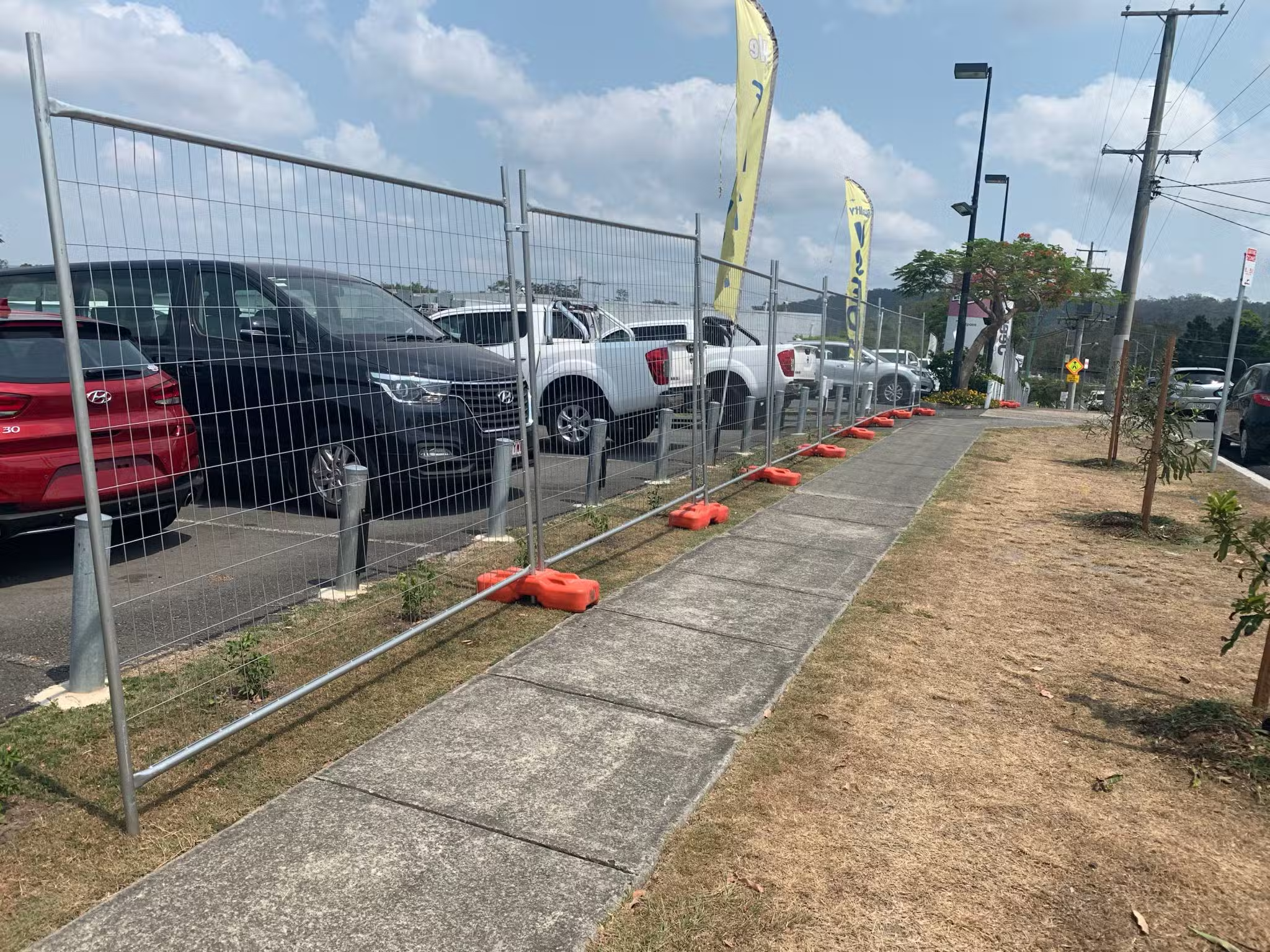
Hire is built for the genuinely one-off, short-term job. Buy is built for everyone else. The reason is simple: a hire charge recurs every week you keep the panels and every time you need them again, while a purchase is a one-time cost and the panels are yours to reuse, store, or resell. For most builders, event operators, farmers and property owners who fence more than once, the crossover point where buying becomes cheaper arrives faster than people expect.
| Hiring | Buying | |
|---|---|---|
| Cost shape | Recurring — charged per week/month, plus delivery and pickup | One-time — you own the asset outright |
| Best for | A single short job of a few days to a couple of weeks | Repeat use, long jobs, or fencing you’ll need again |
| Availability | Subject to stock — peak periods can leave you short | On hand whenever you need it, no booking |
| Damage & wear | You can be liable for damage or loss on returned panels | Normal wear is yours — no return inspections |
| Admin | Contracts, extensions, redelivery and pickup to coordinate | Buy once, done |
| Long-term value | Nothing to show at the end | A reusable asset with resale value |
We’d rather point you the right way than oversell, so let’s be fair to hire. It’s the better call when:
If that’s you, hire away. For everyone else, it’s worth doing the sums before you sign a hire contract.
Buying pulls ahead the moment fencing stops being a one-off — and that covers a lot of people: builders fencing a new site every few months, event and crowd-control operators, farmers needing stock fencing through the season, and anyone on a long project. Keep totting up weekly hire charges plus each delivery and pickup, and a purchase quietly overtakes them. After that, every future job is effectively free fencing.
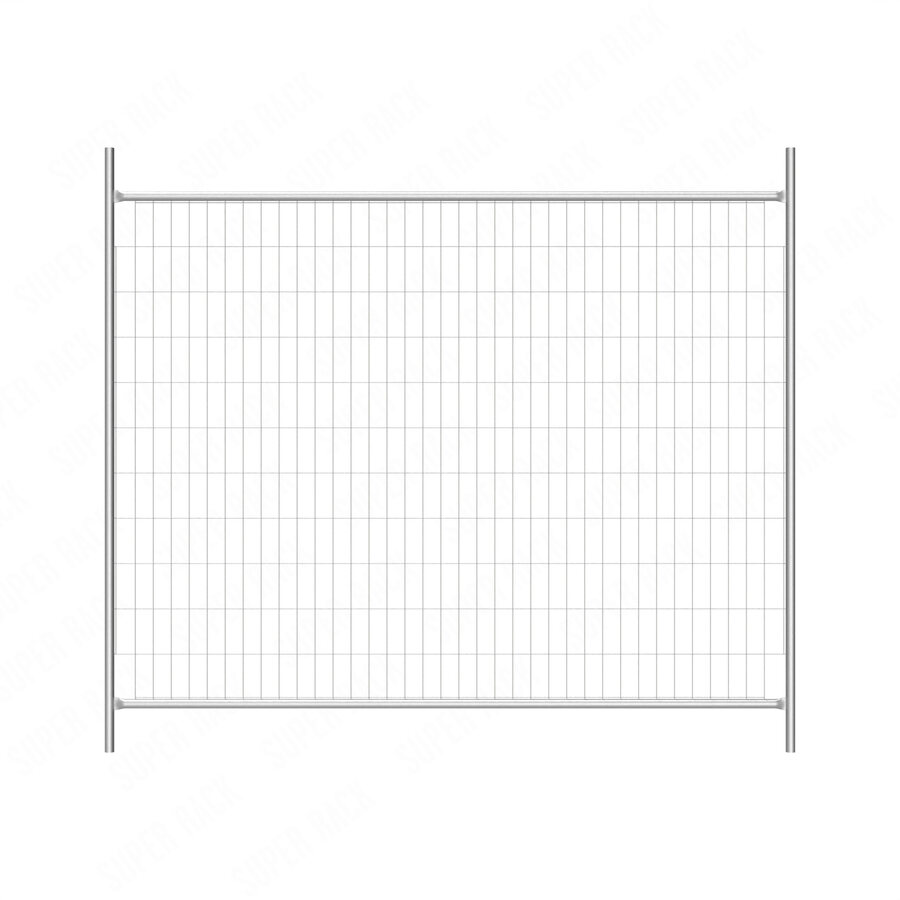
Sticker comparisons rarely tell the whole story. With hire, watch for: delivery and pickup fees at both ends of every booking; damage and loss liability assessed when panels come back; extension charges if your job runs over; and availability gaps in busy periods, when the panels you assumed you could book simply aren’t there. Own your fencing and all of that disappears.
Super Fence has supplied Australian sites since 1992 — over 10,000 panels and counting. We sell temporary fencing rather than hire it, because for the vast majority of our customers owning the gear is the smarter long-term call.
For a single short job, hiring is usually cheaper. As soon as you need fencing for longer, or more than once, buying tends to work out cheaper because a hire charge recurs while a purchase is a one-time cost and the panels stay yours to reuse.
It depends on quantity and how often you fence, but the crossover comes sooner than most people expect — hire charges plus repeated delivery and pickup fees add up quickly, and every job after the breakeven point is effectively free fencing once you own the panels.
Yes. Super Fence sells temporary fencing panels, bases, clamps and full kits outright, with Australia-wide delivery. There’s no contract and no return — you own the fencing.
No — we sell rather than hire. For most of our customers, buying is cheaper over time and far less hassle than an ongoing hire arrangement, so that’s what we’ve built the business around. If you’d like help deciding what to buy, we’re happy to talk it through.
Measure the perimeter you need to enclose and divide by your panel length, then allow for gates and access points. If you’re not sure, send us the site dimensions and we’ll work out the panel, base and clamp count for you.
Browse our temporary fencing range or tell us about your site and we’ll put together a quote — with an honest steer on exactly how much you need.
Shop temporary fencing Get a fast quote