A practical guide to planning a cattle yard that works — how to size it to your herd, the parts that make cattle flow, and when portable beats permanent. Written by the team at Super Fence.
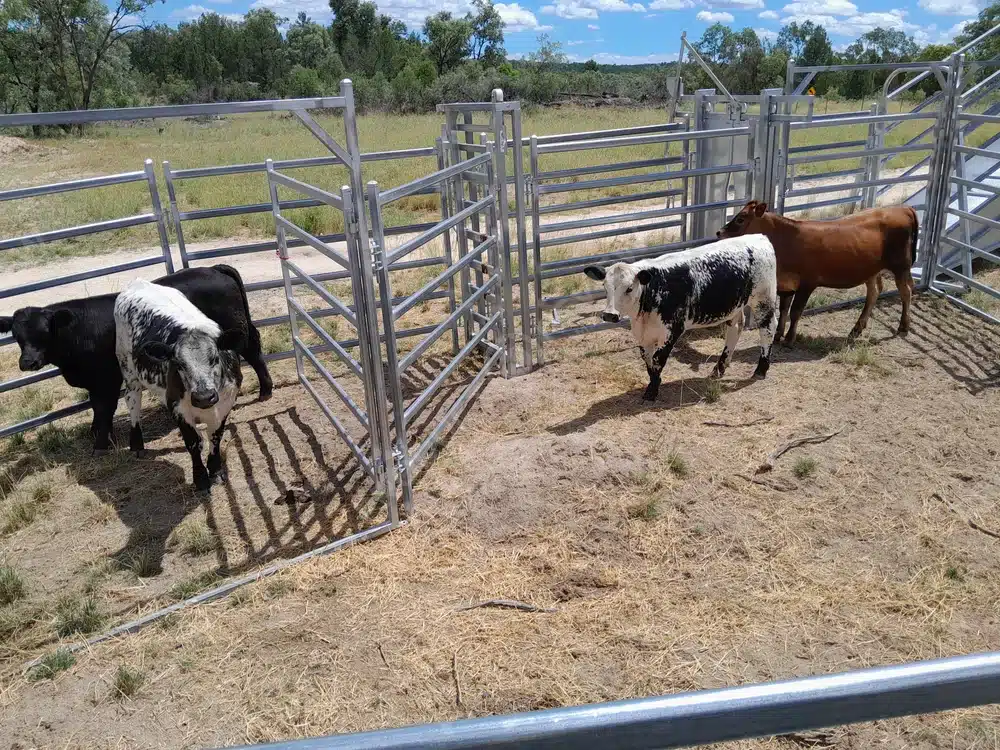
A good set of cattle yards makes every job — drafting, drenching, weighing, loading — faster, safer and less stressful for you and the cattle. A poorly planned one fights you at every gate. The difference usually comes down to three things: sizing the yard to your herd, laying it out to suit how cattle naturally move, and choosing the right mix of permanent and portable. Here is how to get each one right.
The single most important number is how many head you need to hold at once — not your total herd, but the biggest mob you will ever yard in one go. Everything else is built around that. As a rough starting point, each beast needs enough room in the holding pen to stand and turn without crushing; overcrowded pens cause injuries and bruising and make drafting a nightmare.
Our cattle yards are built as complete systems sized from around 10 head right up to 100+ head, so the holding pens, forcing yard and race are already balanced for the mob size. If you are between sizes, it is almost always better to go up — a yard that is slightly too big is a minor inconvenience, while one that is too small limits you every muster. Tell us your typical and peak numbers and we will help you land on the right size.
Whatever the size, an effective yard is made of the same building blocks, each doing a specific job:
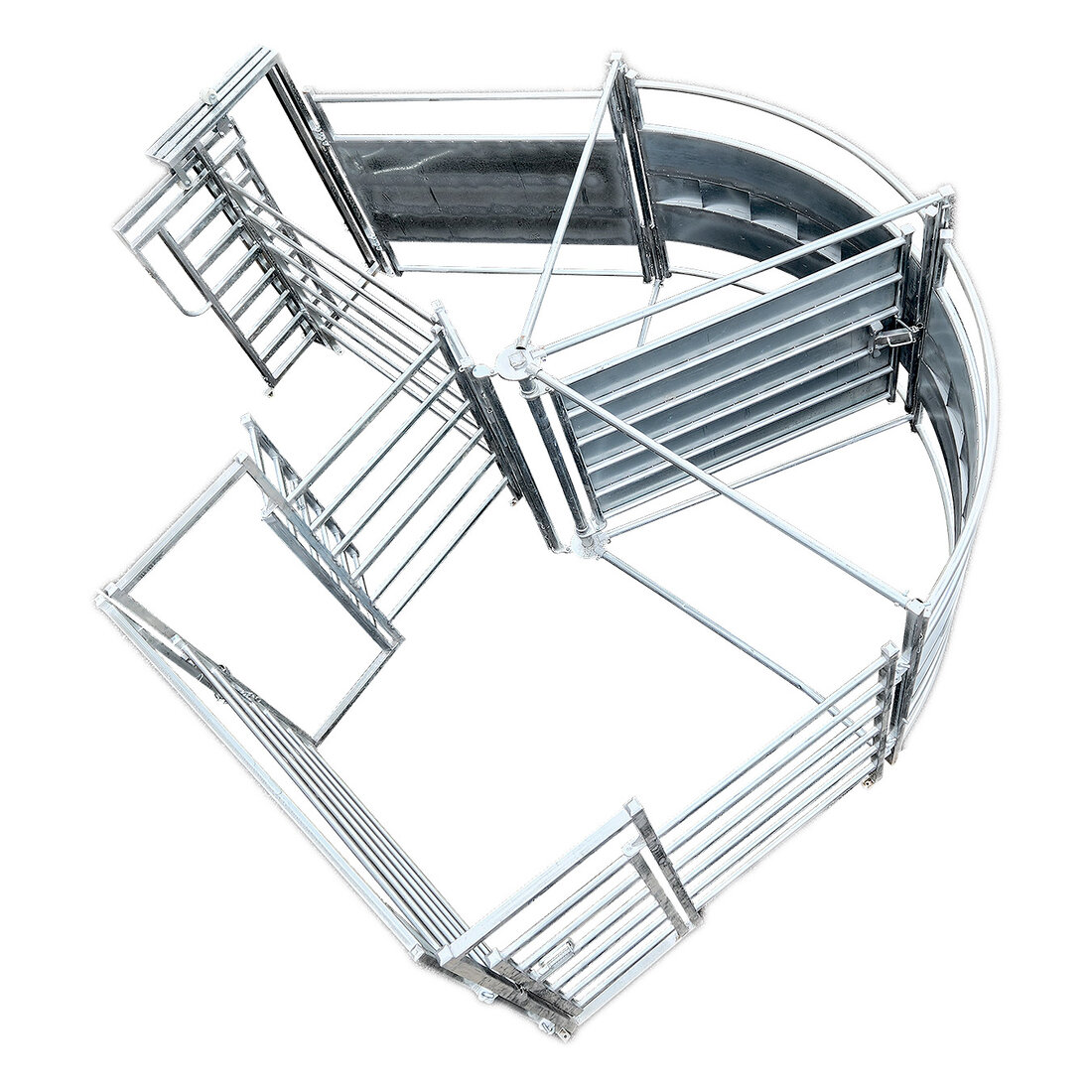
Cattle move best toward open space and light, and away from dead ends and shadows. The strongest yards use that instinct: a curved or angled race so cattle can’t see what’s ahead, solid-sided forcing pens so they focus forward instead of trying to turn back, and a clean path that runs from holding, through the forcing yard and race, to the crush and loading ramp without backtracking.
Our cattle yard range is designed as one connected system, so panels, gates, the forcing yard, race, crush and loading ramp all pin together and line up the way stock actually move.
Both have their place, and plenty of producers run one of each:
If you’re not sure which way to go, think about where your cattle spend most of their working time and how likely that is to change. A permanent yard at the homestead plus a set of portables for the outer paddocks covers most operations comfortably.
A yard is only as good as what happens at the business end. Two pieces do most of the heavy lifting:
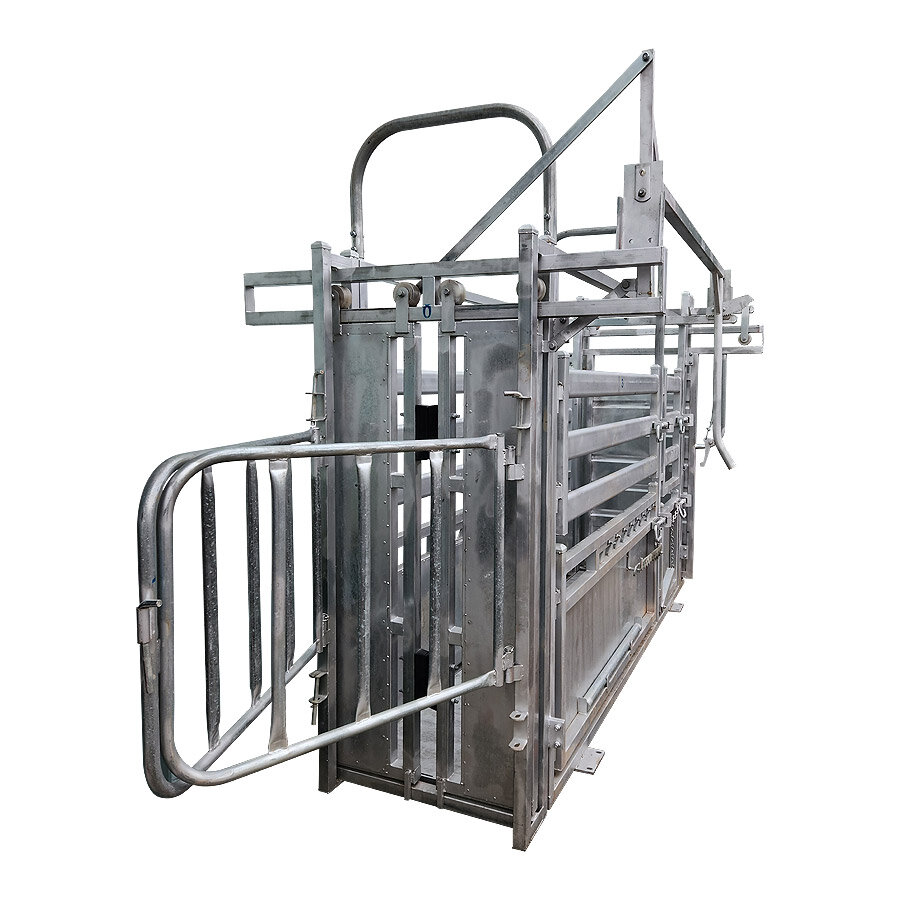
The crush and head bail keep a beast still and safe for vet work, tagging, weighing and pregnancy testing. Matching the crush to your race means cattle walk straight in without baulking — see our cattle crush range for the options.
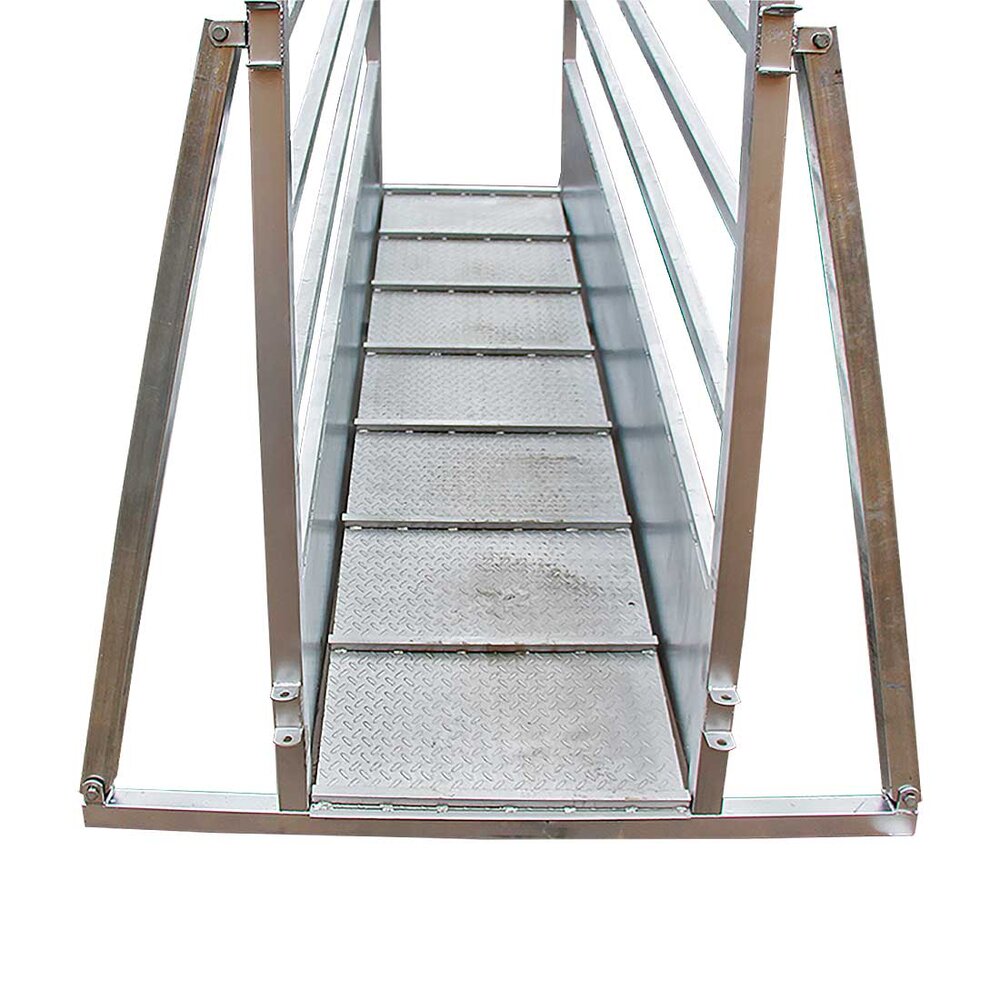
The loading ramp is the exit point onto the truck. Sized and positioned so it connects cleanly off the race, a good ramp turns loading from a wrestle into a walk-on.
Work from the biggest mob you’ll ever yard at once, not your total herd. That peak number sets the holding pen size, and the forcing yard and race scale from there. Our yards run from around 10 head to 100+ head — tell us your typical and peak numbers and we’ll match you to the right system.
The forcing yard is a funnel-shaped pen (often round) that gathers cattle and feeds them steadily forward. The race is the single-file lane they enter from it, used for drafting, drenching and moving stock to the crush or ramp. Together they’re what make a yard flow smoothly.
Yes. Portable yards are built from panels that pin together, so you can begin with a core set and expand as your herd or budget grows, or reconfigure the layout as your needs change. It’s one of the main advantages of going portable.
Yes — the whole cattle range is designed as one connected system. Panels, gates, the forcing yard, race, crush and loading ramp line up and pin together, so you’re not trying to make mismatched gear fit.
Yes. We deliver panels and complete yard packages across Australia, including regional and remote areas. Send us your address and the yard size you’re after and we’ll sort out a freight estimate.
Tell us your herd size and how you work your cattle, and we’ll help you spec a yard that flows — from holding pens through to the loading ramp.
Get a layout & quote